


Private Musculoskeletal Ultrasound in Portsmouth
Expert MSK assessment with same-day results
A focused ultrasound assessment of muscles, tendons, ligaments, joints and bursae, helping investigate pain, swelling, soft-tissue injuries and other musculoskeletal concerns.
Portsmouth Clinic Only
£199 · Dynamic ultrasound assessment · Same-day digital report · No GP referral required


Is An MSK Ultrasound Right for Me?
An MSK ultrasound may be appropriate if you have:
-
Persistent pain or tenderness
-
Pain following a sports or overuse injury
-
Restricted or painful movement
-
Localised swelling
-
A suspected tendon or muscle injury
-
Suspected tendinopathy
-
A suspected ligament injury
-
Suspected bursitis
-
Fluid around a joint
-
A clicking, snapping or catching sensation
-
A suspected ganglion cyst
-
A superficial lump or swelling
-
A suspected abdominal-wall or groin hernia
-
A previously identified MSK finding requiring reassessment
Each appointment provides a focused assessment of one anatomical area. Contact us before booking if you are unsure which scan you require.
Which Areas Can MSK Ultrasound Examine?
Musculoskeletal ultrasound is most useful for assessing superficial soft-tissue structures. The exact examination will depend on your symptoms and the area selected when booking.

Shoulder
Assessment may include the rotator-cuff tendons, long head of biceps tendon and subacromial-subdeltoid bursa. This may help investigate suspected tendinopathy, bursitis or a tendon tear.

Elbow
Accessible tendons, ligaments and surrounding soft tissues can be assessed for conditions including tennis elbow, golfer’s elbow and tendon injury.

Wrist and Hand
Ultrasound may help assess tendons, tendon sheaths, joints, ganglion cysts and other superficial lumps or swellings.

Hip
Selected superficial tendons and bursae around the hip can be examined for conditions including gluteal tendinopathy and bursitis. Deeper structures within the hip joint may require MRI.

Knee
Ultrasound can assess accessible tendons, ligaments, bursae, joint fluid and Baker’s cysts. Menisci, cruciate ligaments and deeper joint structures are better assessed with MRI.

Ankle and Foot
Accessible tendons, ligaments, fascia and superficial soft tissues can be examined for injury or inflammation.

Muscle and Calf
Ultrasound may identify visible muscle or tendon injuries and fluid collections. This examination does not assess the deep veins or exclude a blood clot.
Lumps and Bumps
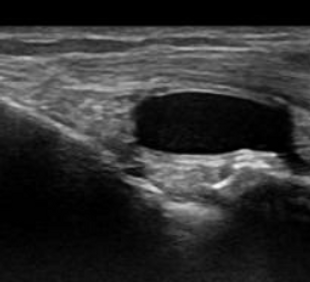
Ultrasound can assess the size, location and general characteristics of selected superficial lumps. Further imaging or clinical investigation may sometimes be required.
Why Patients Choose Us
Private diagnostics, run with NHS‑grade governance.
We built MedHealth around the two things private ultrasound is usually missing: speed and rigour. Every clinic operates under CQC regulation, every sonographer is HCPC‑registered, and every report follows the same clinical standards as an NHS imaging department.
✓ No GP referral required
✓ Findings explained during your scan
✓ Written report the same day
✓ Sonographer-led clinical governance


What Happens During an MSK Ultrasound?
Your sonographer will discuss your symptoms and the area of concern before applying ultrasound gel and examining the affected area. You may be asked to move the joint or change position to assess structures dynamically.
The examination is usually comfortable, and your digital report will be provided the same day.
Preparing for Your Scan
No special preparation is required. Wear comfortable clothing that allows easy access to the area being examined. Please bring details of any relevant previous imaging, surgery or treatment.
What Happens if Something Is Found?
Any findings will be documented clearly in your report. Depending on the results, you may be advised to consult your GP, physiotherapist, podiatrist or specialist, or undergo further imaging.
Limitations of MSK Ultrasound
Ultrasound is particularly useful for assessing superficial muscles, tendons, ligaments and other soft tissues but cannot identify every cause of pain.
Some bone, cartilage, deep joint or spinal conditions are better assessed with X-ray or MRI. If your symptoms persist or worsen despite reassuring ultrasound findings, seek further medical assessment.